

 English
 日本語
日本語 Español


Industry News

Home / Media Centre / Industry News / How to Measure the Softness of a Memory Foam Pillow: A Practical Guide
Product Category
NEW Category
Contact us
How to Measure the Softness of a Memory Foam Pillow: A Practical Guide
The Short Answer: Softness Is a Combination, Not a Single Number
Two pillows can carry the same "soft" label and still feel completely different. One lets your head sink toward the mattress; the other barely compresses under your cheekbone. Both can truthfully be called soft, because softness is not one property of a memory foam pillow. It is a mix of density, indentation force, rebound time, and support factor, plus the temperature of the room and the shape of your body.
Use the objective numbers to filter the options, use a simple hand test to narrow them down, and use your sleeping position as the final check.
The most common mistake is confusing density with softness. Density is the mass of foam per unit volume, and it is more closely tied to durability and weight than to how a pillow feels. A high-density foam can be formulated to feel soft, and a low-density foam can be made with a much firmer surface. Some manufacturers even sell their 5 lb/ft³ foam as the softest model in the range and their 3 lb/ft³ foam as the firmest, which shows why density alone cannot answer the question. When you compare options, it helps to look at density and support together, and the guide to choosing a memory foam pillow by density and support explains how the two interact in practice.
The Lab Measurements That Define Softness
The closest thing to an official softness number is the indentation force deflection (IFD) test, still often called indentation load deflection (ILD). A standardized round plate presses into the foam, and the force needed to compress it by 25% and by 65% of its original thickness is recorded. The lower the force at 25% indentation, the softer the surface feels. The method appears in ASTM D3574 for flexible polyurethane foam and is mirrored by ISO 2439, so a rating is only comparable when the same standard and temperature were used. A foam manufacturer keeps these measurements for every production batch, which is why the numbers are usually available on request when you buy from a supplier.
| Metric | What It Measures | Typical Reading | What It Does and Does Not Tell You |
|---|---|---|---|
| Density | Foam mass per unit volume | About 40 to 80 kg/m³ (2.5 to 5 lb/ft³) | Predicts durability and weight; it does not predict softness by itself. |
| ILD / IFD at 25% indentation | Force required to compress the foam by 25% | Below about 15 lbf usually feels soft; above 20 lbf feels firm | The most useful single indicator of surface softness. |
| Support factor (IFD at 65% divided by IFD at 25%) | How much the foam firms up as you sink deeper | A ratio of about 1.8 to 2.5 is common for quality foam | Shows whether the pillow will bottom out; it is not a softness rating by itself. |
| Rebound time | Seconds the foam needs to return to shape after compression | About 3 to 5 seconds for classic slow-rebound memory foam | Slow recovery creates the hugging sensation; near-instant recovery feels springy and less contouring. |
Reading an ILD rating in practice
The 25% ILD value is the first number to compare when a supplier lists one. A foam that takes roughly 12 to 15 pounds of force to indent feels plush and enveloping, while a value above 20 pounds feels noticeably resistant. Because temperature changes the result, laboratory measurements are taken in a controlled environment, so a carefully quoted rating is more reliable than a quick press test in a warm showroom.
What density does and does not tell you
Density still matters, but for a different reason. A 4 to 5 lb/ft³ foam is heavier, usually more durable, and keeps its ILD closer to the original value for longer. A 2.5 to 3 lb/ft³ foam feels lighter and costs less, yet it tends to soften and lose support sooner. Density predicts longevity; ILD predicts softness. The two numbers answer different questions and should be read together.
How to Measure Softness with Your Own Hands
You will not always get a spec sheet, and that is fine, because three simple tests take less than a minute.
Palm pressure test
Press the center of the pillow with a flat, open palm and apply steady pressure. A soft memory foam pillow lets your hand sink deeply with moderate effort; a firmer one resists and keeps your palm near the surface. Test at least two pillows side by side so your hand has a reference, and compare the initial surface feel with the deeper resistance, because many pillows combine a plush comfort layer over a firmer support core.
Recovery test
Compress a section of the pillow for two or three seconds, then release and count until the surface returns to flat. Three to five seconds is the classic slow-rebound memory foam behavior. A recovery time of eight seconds or more usually means a temperature-sensitive foam that is stiff because the room is cool, while near-instant recovery suggests a low-density or springier fill that feels softer but contours much less.
Layer check
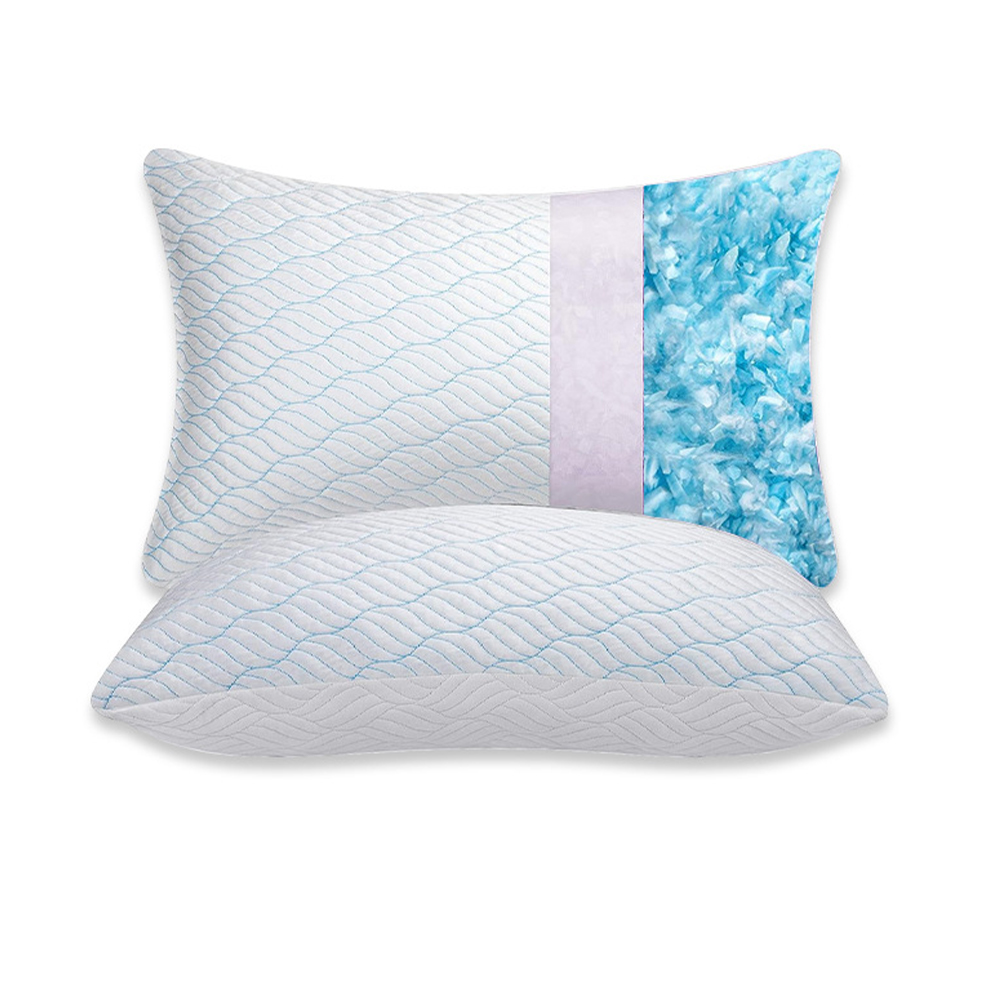
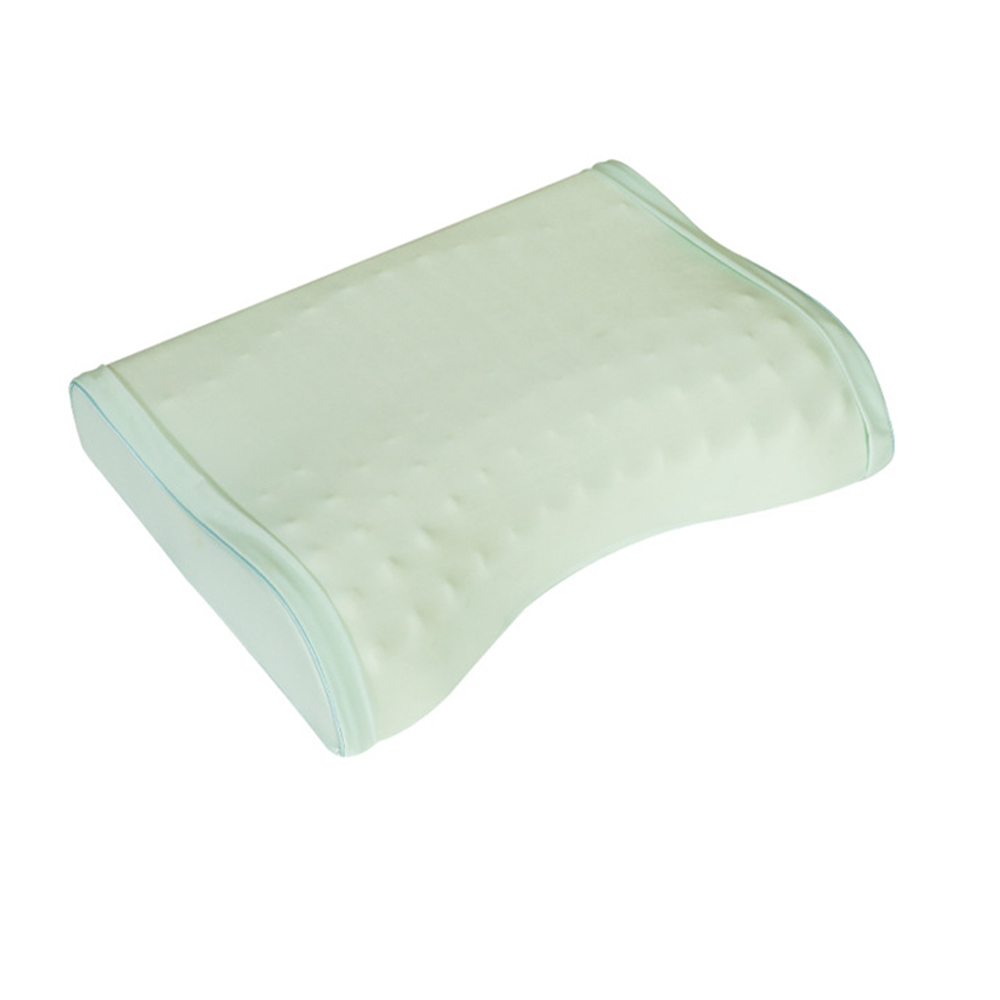
Press near the edge and then in the center to feel the difference between the outer comfort layer and the support core. If you want to adjust the feel precisely, a shredded fill construction such as an ice-silk gel memory foam sponge pillow lets you add or remove fill until the softness matches your preference, which is a practical option when you cannot test the pillow before buying.
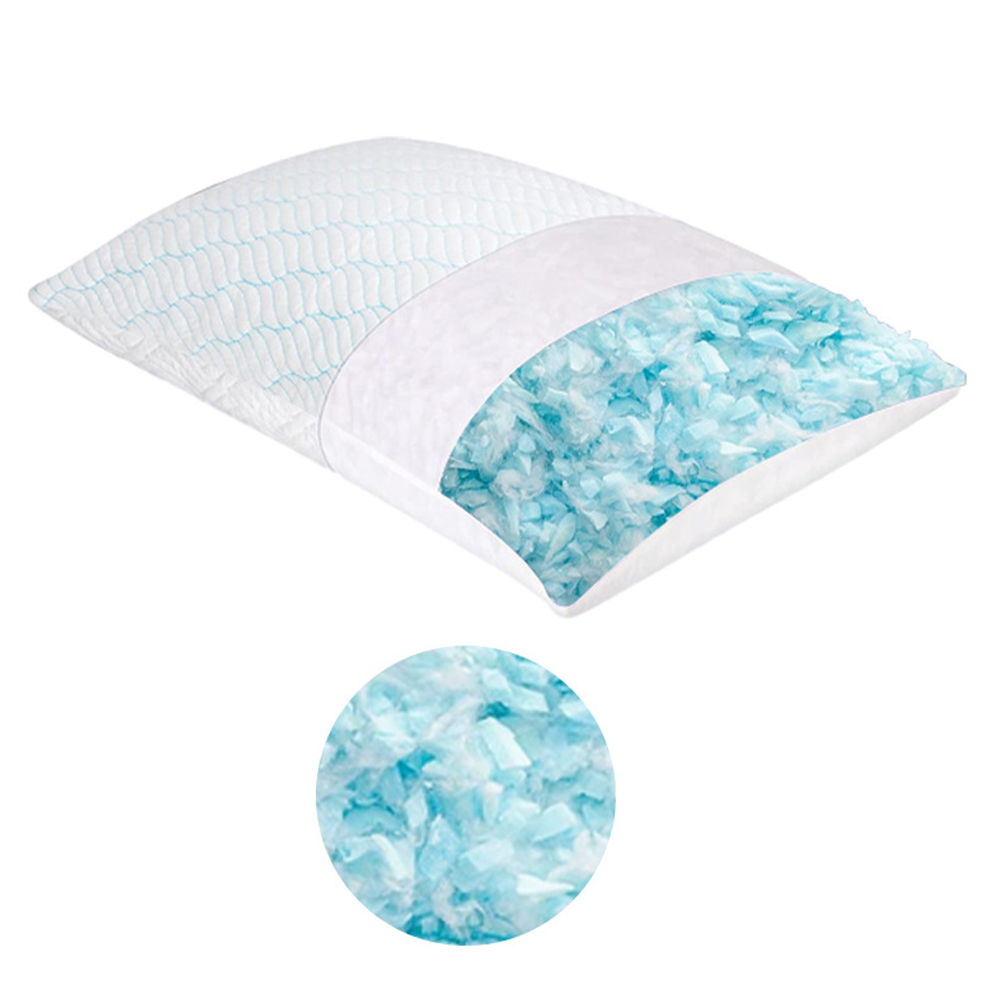 Wholesale Ice silk gel memory foam sponge pillow Suppliers, Factory - Jiangsu WeJiangsu Wellcare Household Articles Co., Ltd. is China wholesale Ice silk gel memory foam sponge pillow suppliers and factory,Lightweight...View Product →
Match the Softness to Your Sleep Position and Body Weight
A pillow can measure perfectly soft in a lab test and still be wrong for you. The measurement only becomes meaningful when it is matched to your sleeping position and body weight.
- Side sleepers usually need a medium-to-firm pillow with medium or high loft. A pillow that is too soft lets the head sink and forces the neck to bend sideways; it should fill the space between the ear and the shoulder without pushing the head up.
- Back sleepers sit comfortably in the middle of the scale. A medium-soft pillow with low to medium loft keeps the head level while still allowing some sinking; a pillow that is too firm tilts the chin toward the chest.
- Stomach sleepers need a soft, low-loft pillow or no pillow at all, because any extra height rotates the neck and strains the joints.
Body weight shifts the scale
The same foam feel changes from one person to another. A heavier body sinks deeper, so a pillow that feels medium to a lighter person can feel soft or bottomed-out to a heavier person, while a firm pillow can feel medium under a heavier head. If you weigh more than average, choose a higher ILD and a higher density; if you weigh less, a low-ILD pillow will probably suit you better. Your pillow and mattress also work as one system, because a soft mattress changes the space your neck needs to fill, and pairing a supportive memory foam mattress with the correct loft keeps the spine neutral through the night.
Temperature Changes the Softness You Feel
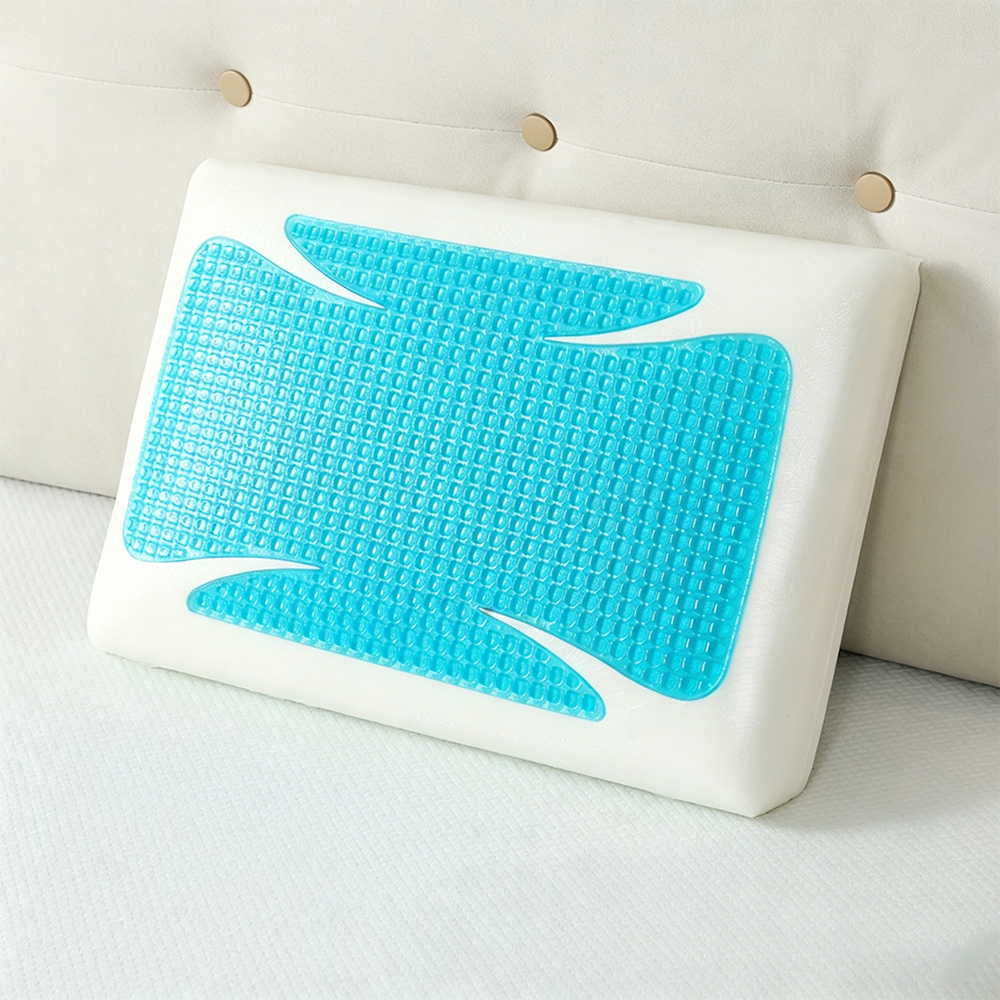
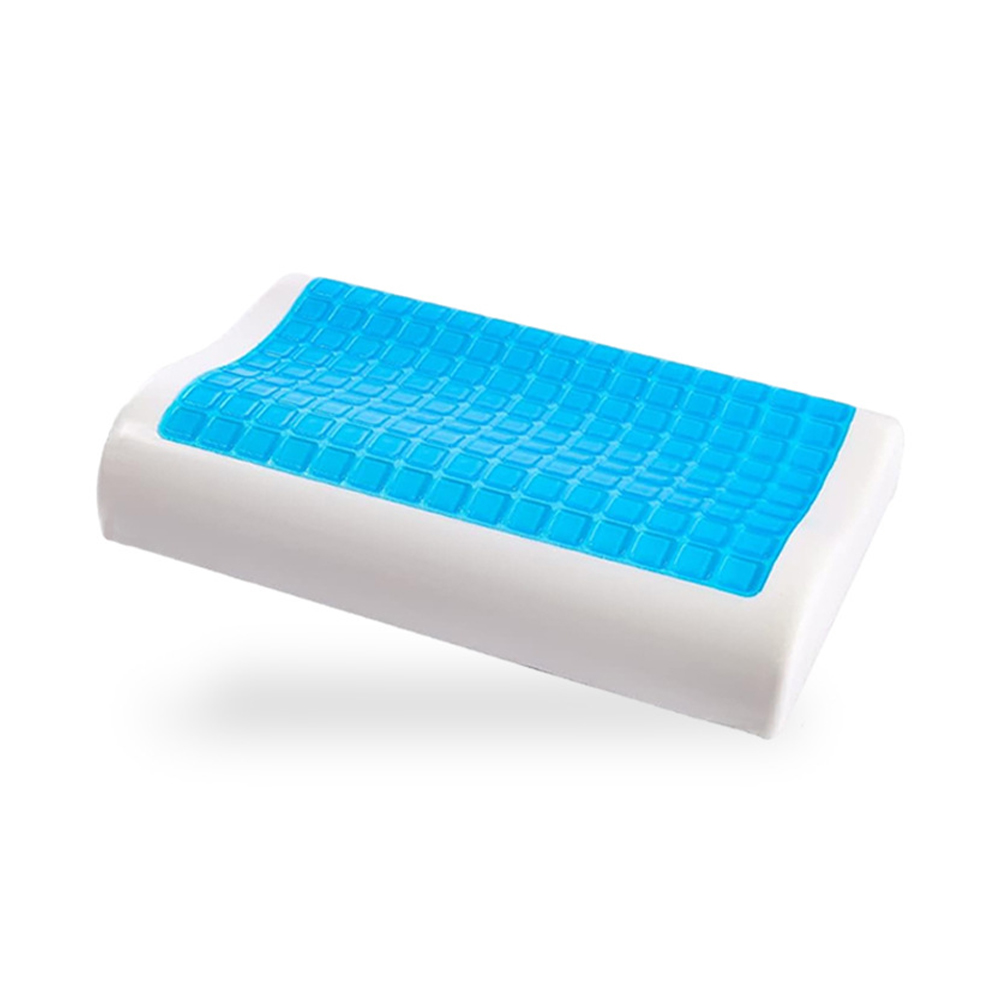
Memory foam is viscoelastic, which means its softness depends on temperature. Body heat softens the foam and lets it mold around the head, while a cool bedroom stiffens it and slows the rebound noticeably. This is why the same pillow can feel pleasant in a warm shop and overly firm at home on a cold night, and why any measurement you take should note the room temperature. If you want a more consistent feel, look for open-cell, gel-infused, or breathable constructions. Many buyers start with a gel memory foam pillow because the gel layer changes the initial surface touch and helps the foam respond more predictably across a wider temperature range.
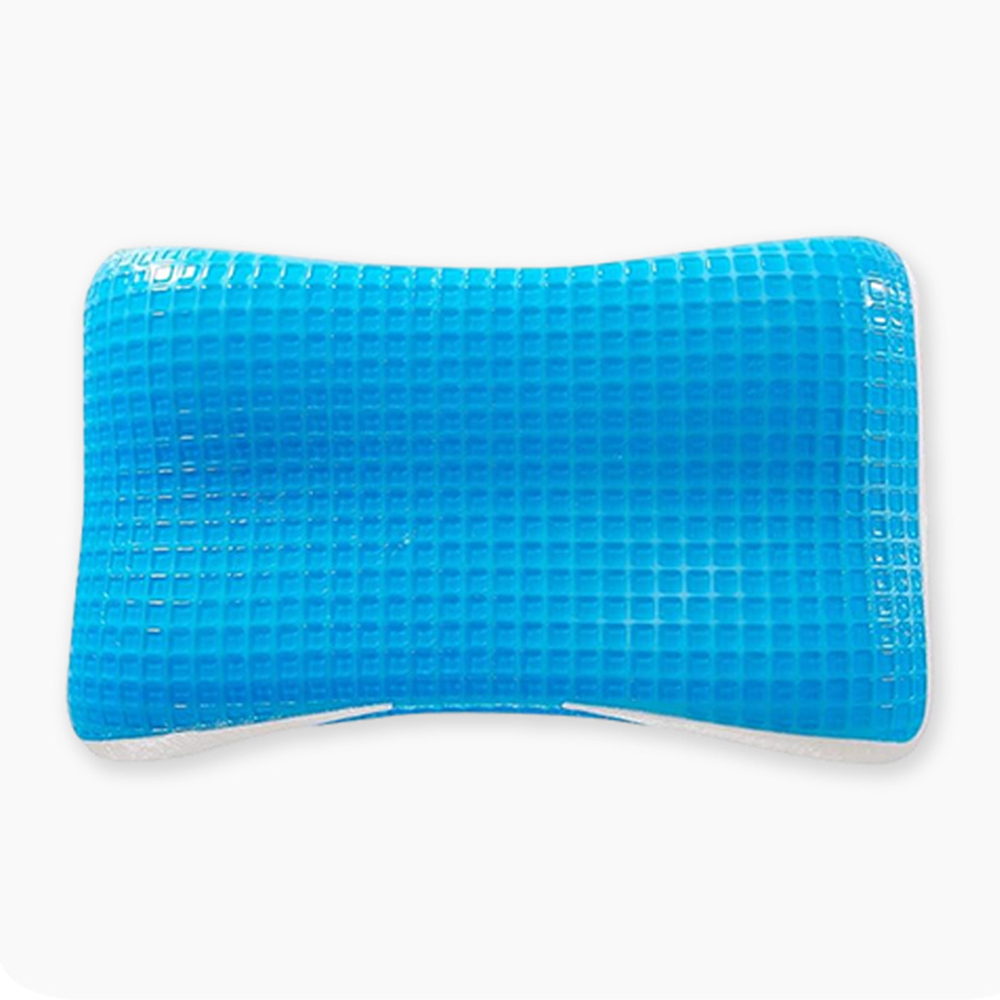
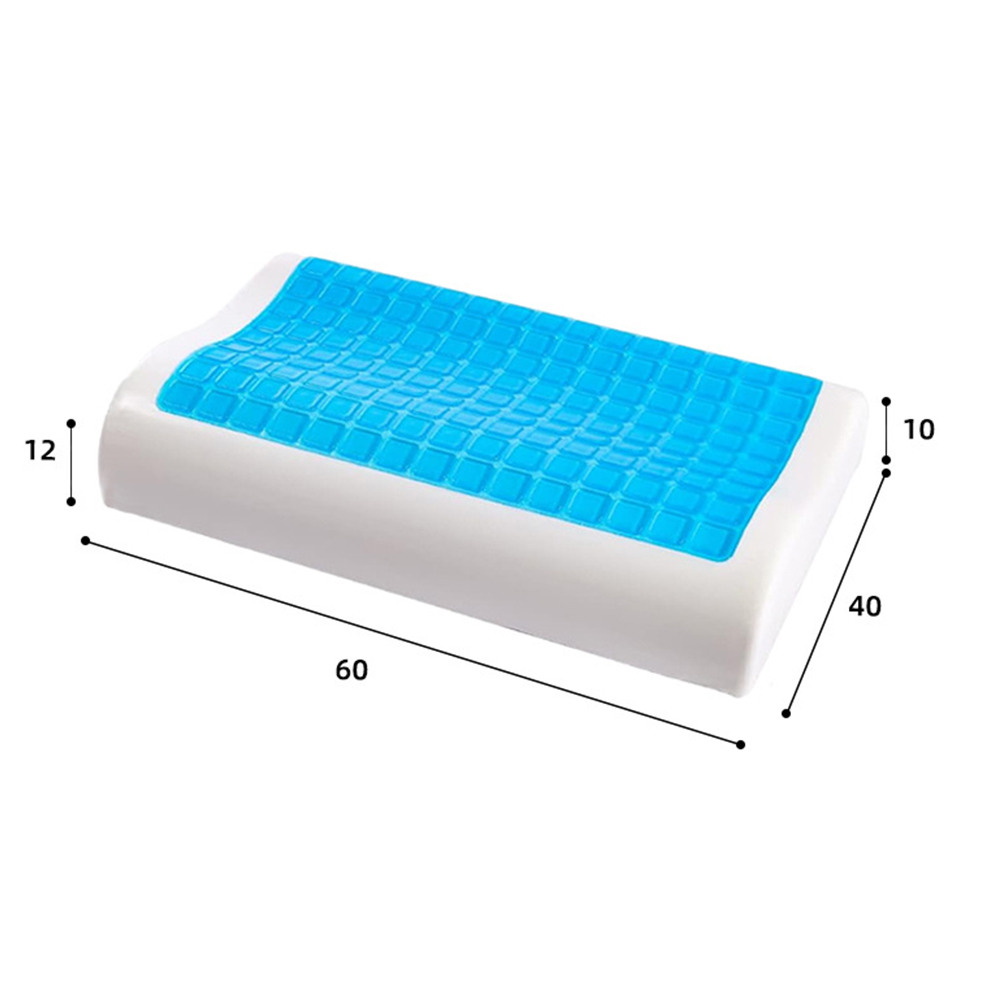 Wholesale Gel memory foam pillow Suppliers, Factory - Jiangsu Wellcare HouseholdJiangsu Wellcare Household Articles Co., Ltd. is China wholesale Gel memory foam pillow suppliers and factory,Conforming to your curves, ...View Product →
Density, Age, and Durability: Softness Does Not Stay the Same
The softness you measure at the start is not the softness you will have after two years. The cell walls of low-density foam fatigue first: the pillow either becomes mushy, with the head sinking too deep, or develops a permanent indentation where the head rests. Both changes shift the effective ILD of the pillow, and both are silent because the pillow still looks fine. Higher-density memory foam holds its ILD longer, which is another reason a denser pillow is not just about a firmer initial feel. If you notice morning neck stiffness, your pillow may already be softer than when it was new, and knowing when a memory foam pillow needs replacing helps you catch that change before it becomes a nightly problem, with three to five years a realistic benchmark for a quality pillow.
A Five-Minute Checklist Before You Buy
In practice, measuring the softness of a memory foam pillow is a short routine that combines the supplier's technical data with your own hand and neck.
- Ask the supplier for the density and the ILD/IFD value, and confirm the test standard and the temperature used to measure them.
- Press the pillow with an open palm and compare it with at least one other pillow so your hand has a reference point.
- Release and time the recovery; three to five seconds is the classic slow-rebound memory foam feel.
- Test the outer comfort layer and the inner support core separately, because a pillow can be soft on top and firm underneath.
- Lie down in your usual sleeping position and check that your head stays level with your spine, not tilted up or sinking toward the mattress.
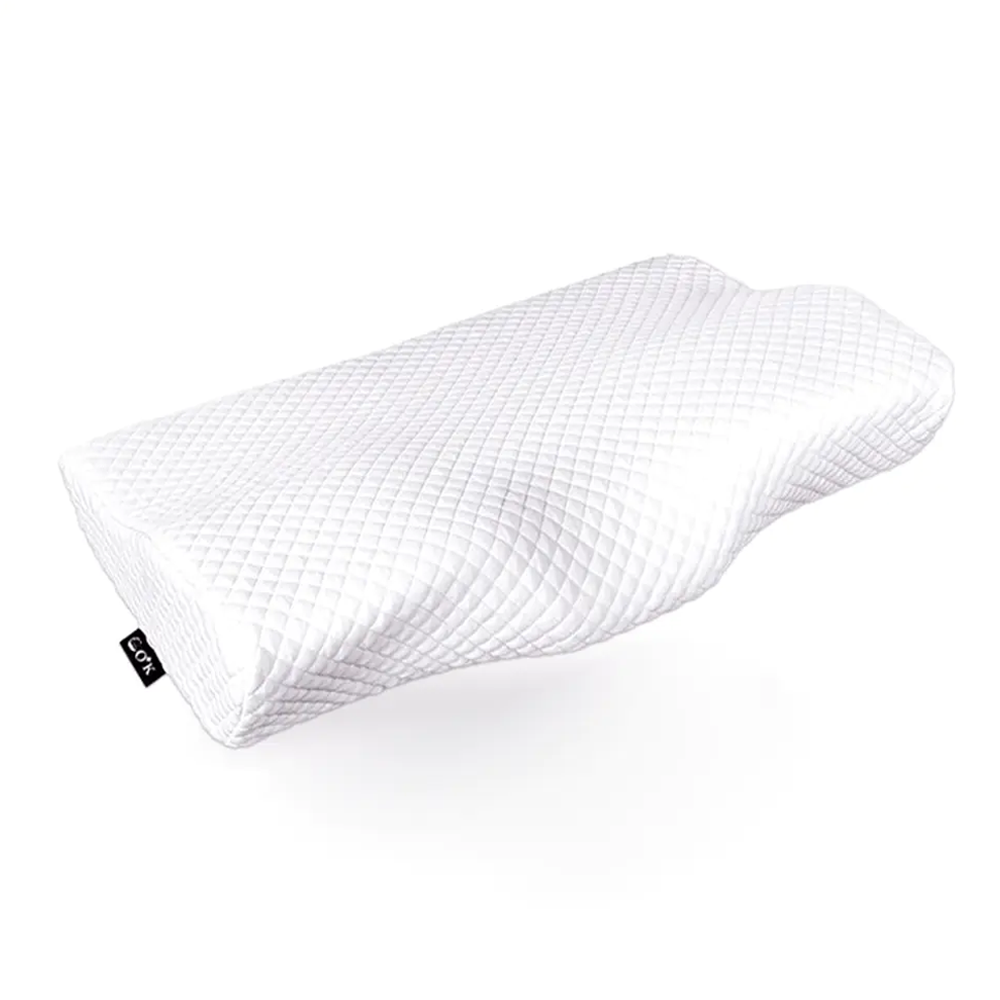
Use the numbers as the filter, the hand test as the tiebreaker, and your own neck as the final judge. A soft pillow is only correct when it lets the head sink just enough to keep the cervical spine aligned. For many sleepers, a breathable memory foam pillow with a medium density and moderate ILD is a useful benchmark because it sits between plush and firm; measure its feel once, and every other pillow becomes easier to compare.
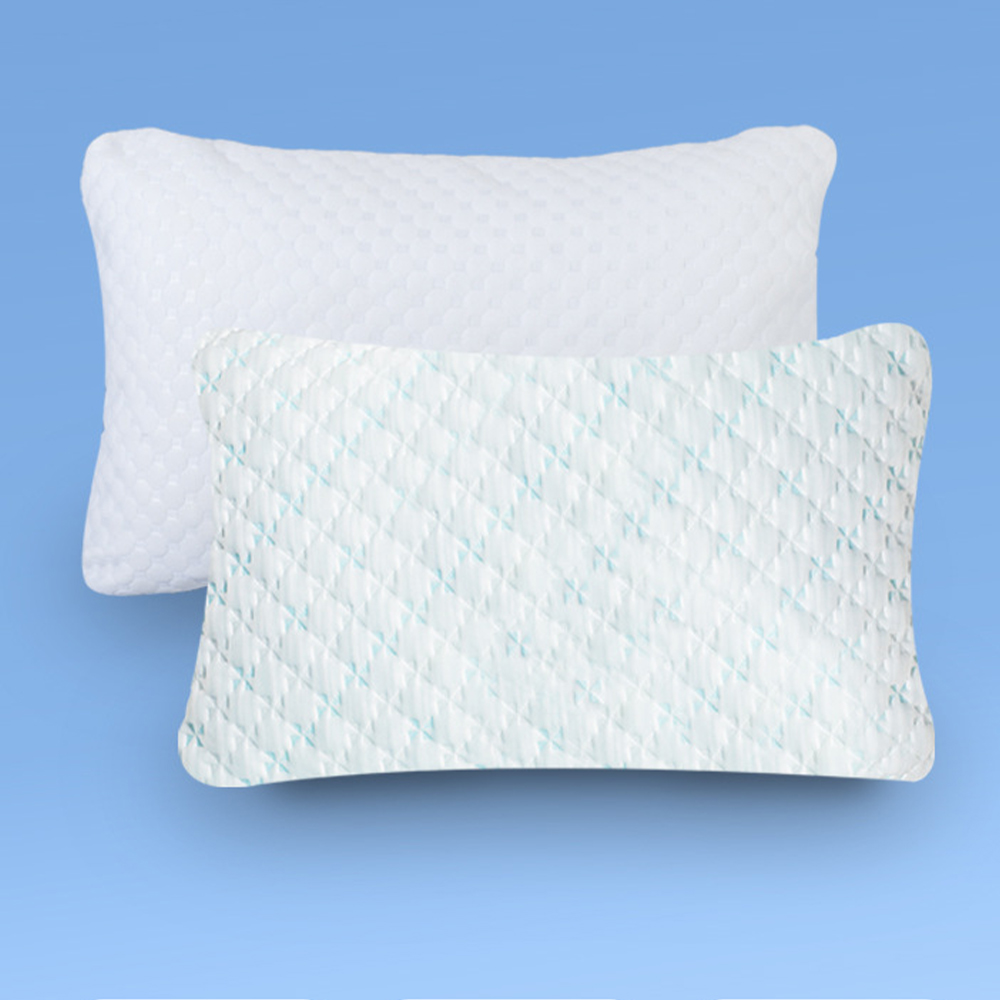
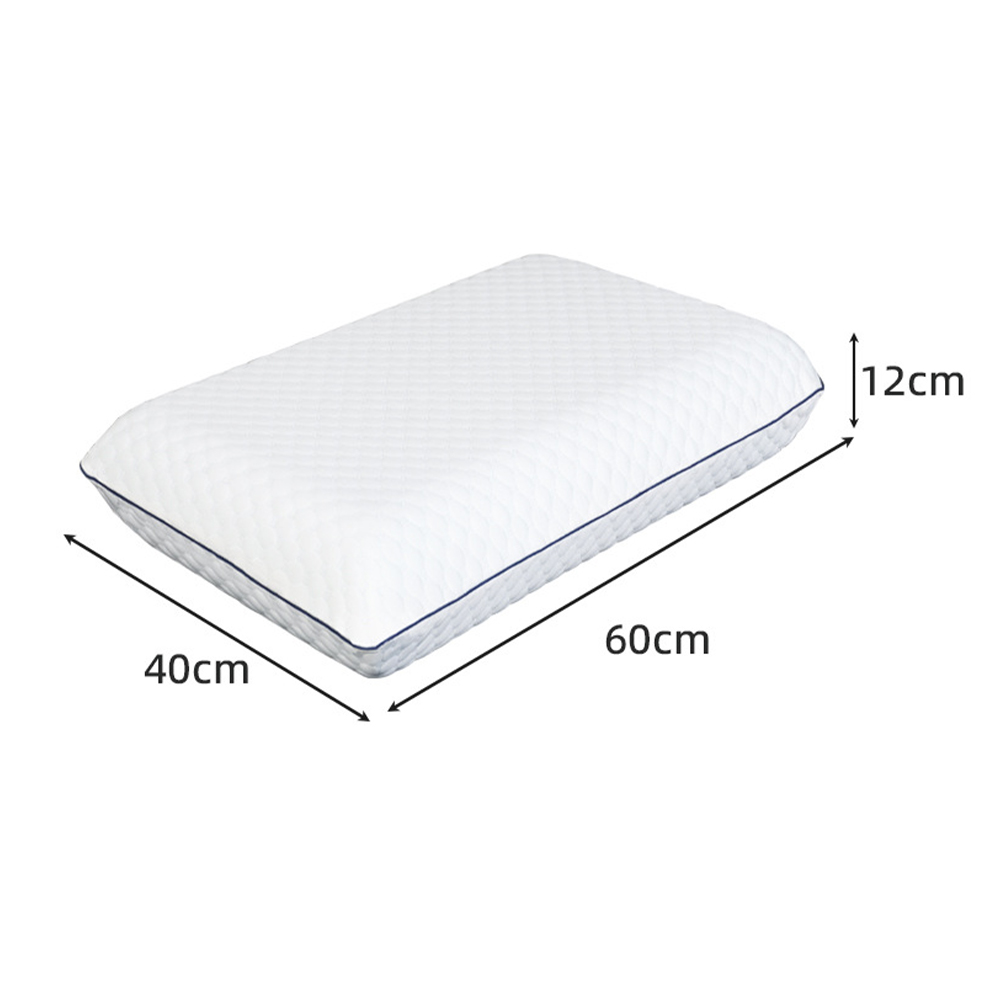 Wholesale Breathable memory foam pillow Suppliers, Factory - Jiangsu Wellcare HoJiangsu Wellcare Household Articles Co., Ltd. is China wholesale Breathable memory foam pillow suppliers and factory,Conforming to curves...View Product →
PREV:Do I Need a Box Spring for Memory Foam Mattress? A Complete Foundation Guide
NEXT:Does memory foam mattress provide adequate support for side sleepers versus back or stomach sleepers?
NEXT:Does memory foam mattress provide adequate support for side sleepers versus back or stomach sleepers?
Interested in cooperation or have questions?
Related News
WELLCARE was founded in 2003, boasting over a decade of profound and extensive experience.
Quick Links
Product
Media Centre
Contact Information
- [email protected]
- +86-517-84998062
- +86-15152354988
- No. 168 Nenjiang Road, Huaiyin District, Huai'an City, Jiangsu Province, China
Copyright © Jiangsu Wellcare Household Articles Co., LTD. All Rights Reserved.
Custom Memory Gel Mattress Manufacturers
