

 English
 日本語
日本語 Español


Shen Yueqiao — After-Sales Quality Support Supervisor

Home / Author / Shen Yueqiao — After-Sales Quality Support Supervisor / Anti-Slip Memory Foam Bed Guard for Safer Children's Sleep
Product Category
NEW Category
Contact us
Anti-Slip Memory Foam Bed Guard for Safer Children's Sleep
Children move constantly during sleep. They roll, stretch, turn, sit up suddenly, and sometimes shift toward the edge of a mattress without realizing it. For parents, caregivers, hotels, childcare environments, and retailers serving young families, a dependable bed guard is not simply an accessory; it is a practical safety product that can help create a more comfortable and protected sleeping space. The anti-slip children's bed railing strip described in this article is designed for that purpose. It combines a high-density memory foam core, a soft and skin-friendly exterior, a non-slip textured surface, and a clean white appearance that suits modern children's rooms.
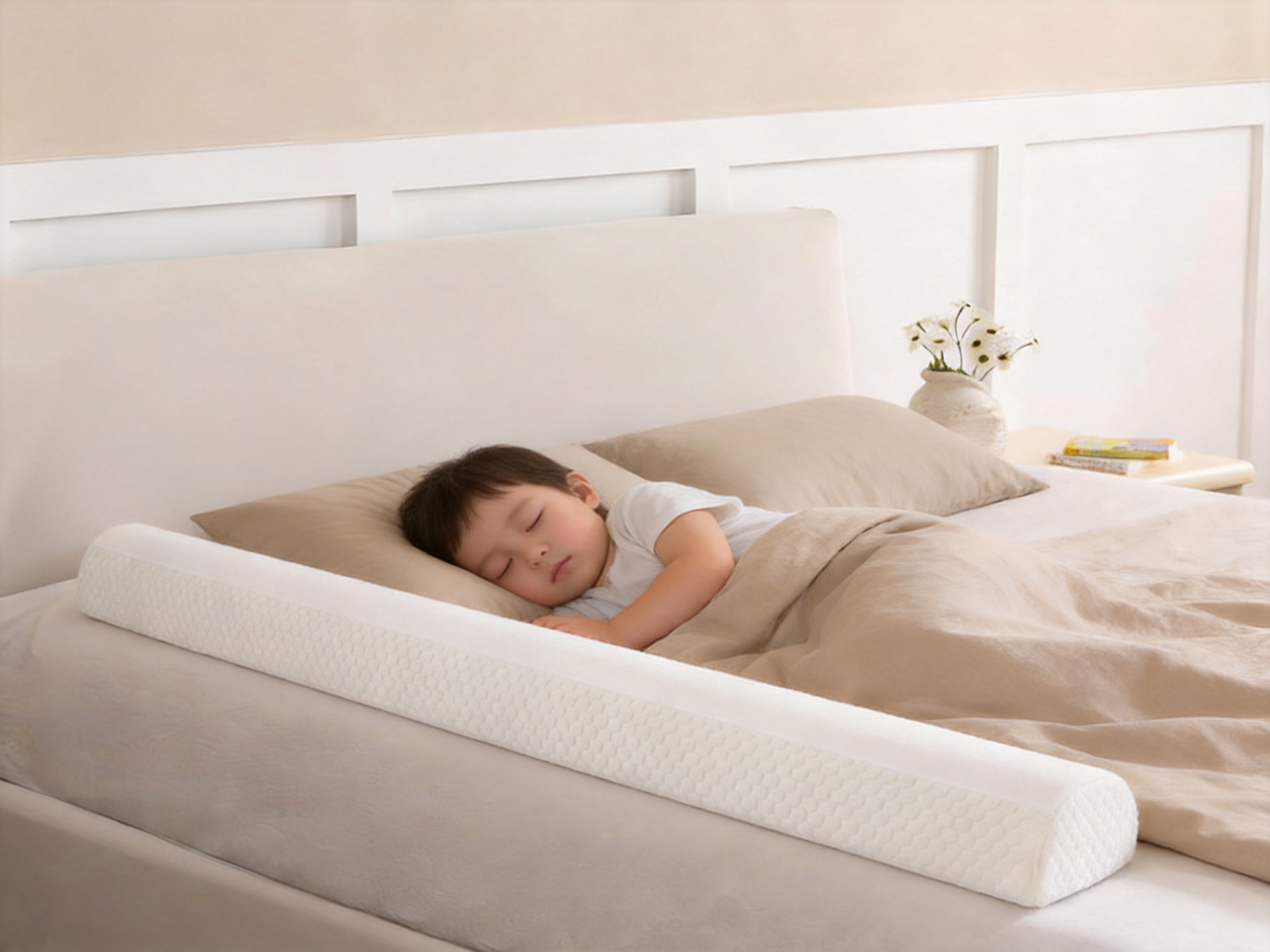
This product belongs to the memory foam bed guard category and is engineered to act as a cushioning barrier along the edge of a bed. Instead of relying on hard rails, metal frames, or rigid plastic structures, it uses soft memory foam to create a protective boundary. The foam compresses gently under pressure, absorbs impact, and reduces the uncomfortable feeling associated with hard surfaces. Its rectangular shape, stable dimensions, and adaptable design make it suitable for cribs, children's beds, wider bed rails, and customized sleeping arrangements.
Beyond comfort, the product is designed for practicality. The anti-slip textured fabric enhances friction and helps prevent unwanted movement during use. This is especially important because a soft bed guard must remain stable to be effective. The fully enclosed concept helps reduce the risk of children rolling directly off the bed or bumping into hard edges. Its pure white color provides a simple, clean, and visually calm appearance that can blend easily into many room styles.
For business buyers, distributors, and private-label brands, the product also offers customization opportunities. Size, packaging, and fabric can be adjusted according to different market requirements. The product is made by Jiangsu Wellcare Household Articles Co., LTD., a manufacturer with a long history in foam material research, product development, and export-oriented production. The company’s experience in memory foam, functional pillows, mattresses, children’s foam products, and other household articles supports the consistent development of products that balance safety, comfort, and manufacturability.
Anti-slip children's bed railing strips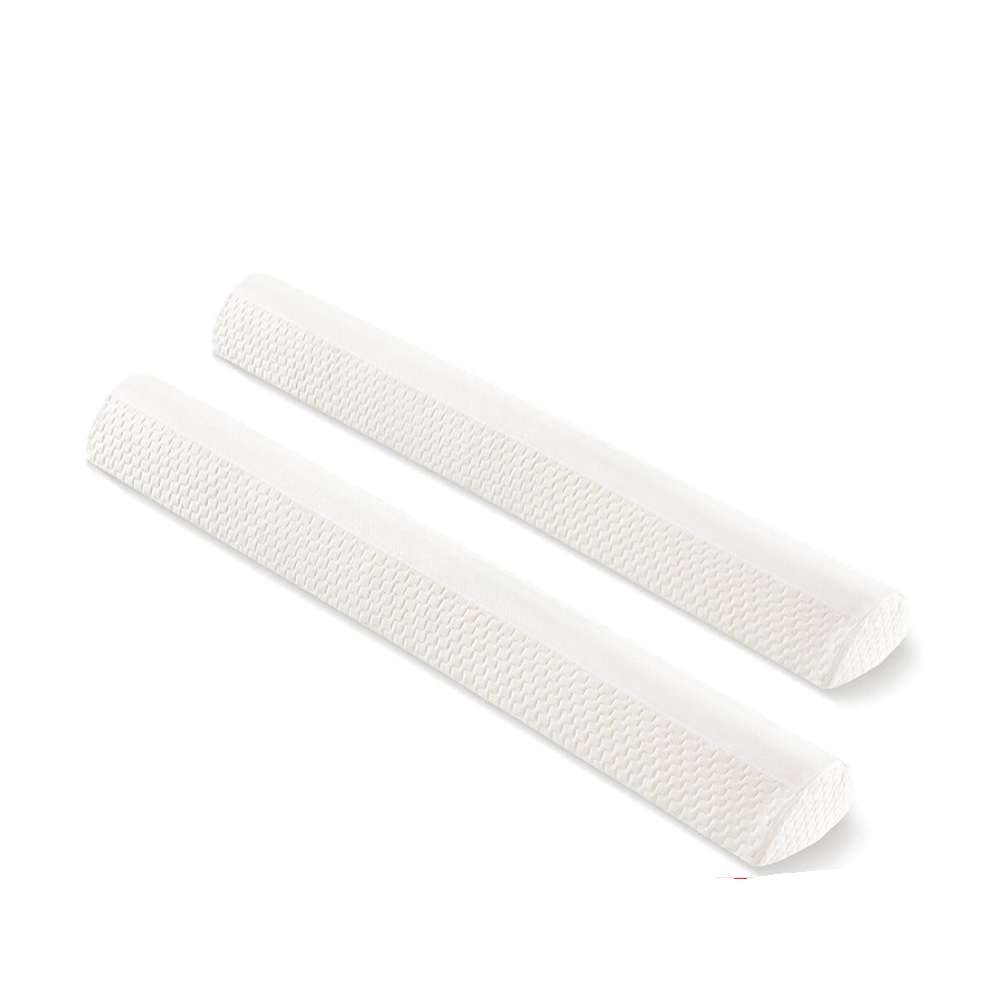
A Soft Protective Barrier Designed for Real Family Needs
Traditional bed rails often focus on blocking movement with rigid structures. While that approach can be useful in some cases, it may introduce new concerns. Hard rails can feel uncomfortable when a child rolls against them. Metal or plastic parts can create pressure points. Some designs are visually intrusive, difficult to install, or unsuitable for lower beds and floor-style sleeping arrangements. The anti-slip memory foam bed guard takes a different approach. It is soft, cushioning, and easy to position along the edge of the mattress.
The core idea is simple: create a physical reminder and soft barrier that discourages rolling beyond the safe sleeping area while also reducing the impact of bumps. Children often do not need a tall industrial-style rail. In many family settings, they need a comfortable boundary that fits the bed, stays in place, and does not make the sleep environment feel restrictive. A foam rail can provide this balance when designed with proper density, surface grip, and structural stability.
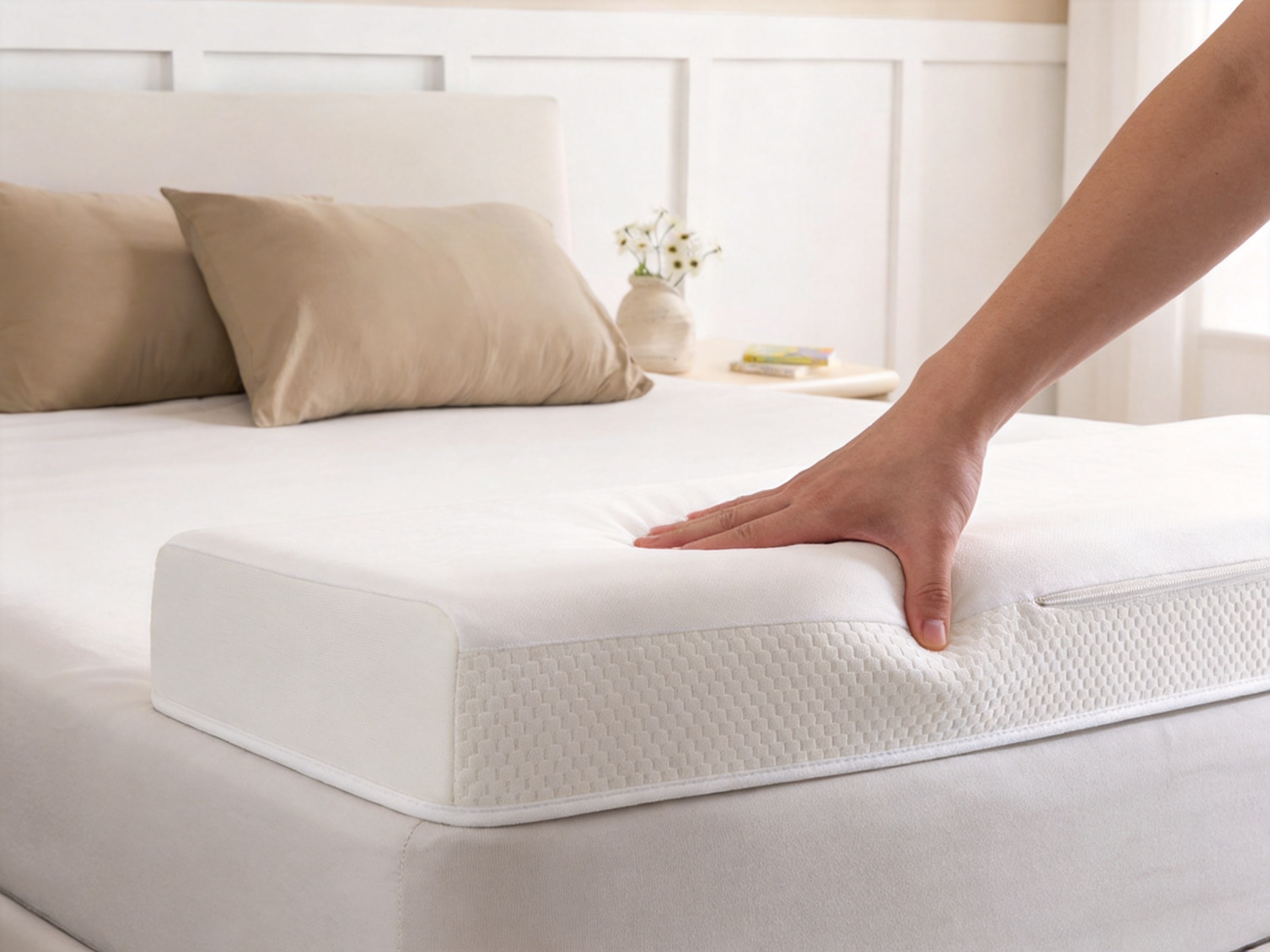
The memory foam core is one of the key advantages. Memory foam is known for its slow-rebound behavior and pressure-distributing properties. When a child presses against the railing strip, the material responds with gentle compression. Instead of pushing back harshly, it absorbs part of the force and reduces concentrated impact. This makes the product especially suitable for children who toss and turn during sleep or who play on the bed during the day.
The product’s surface is made with polyester fiber fabric, offering a soft touch against the skin. Children’s products must feel pleasant, not rough or irritating. The fabric helps protect delicate skin while also supporting daily usability. The anti-slip texture further improves stability by increasing friction between the bed guard and surrounding bedding surfaces. This reduces the chance of shifting, especially when the child moves repeatedly through the night.
The rectangular shape is another practical advantage. It allows the product to align closely with mattress edges and bed contours. The reference dimension is 132 cm in length, 17.8 cm in width, and 11.4 cm in height, with the stated pillow core height of 12.7 cm. The actual height may vary depending on production and customization requirements. This size offers a balance between noticeable protection and comfortable integration into the bed environment.
Why Memory Foam Makes a Better Bed Guard Material
Memory foam is widely used in mattresses, pillows, cushions, and orthopedic support products because it adapts to pressure and distributes weight. In a children’s bed guard, these properties are highly relevant. A bed rail must not only prevent movement; it must also be safe to contact. Children may lean on it, hug it, kick it, or roll into it. If the barrier is too hard, it can become a source of discomfort. If it is too soft and unstable, it may fail to provide reliable protection. High-density memory foam helps solve this balance.
The slow-rebound quality of memory foam allows the product to cushion accidental bumps. When a child rolls into the guard, the foam compresses gradually, helping reduce the immediate force felt by the body. This is different from ordinary low-density foam that may collapse too quickly or rigid foam that may not absorb enough impact. The right memory foam formulation provides soft resistance with a supportive feel.
Another advantage is shape recovery. A quality memory foam core can return to its intended form after compression, maintaining the barrier’s profile over repeated use. This is important in a product that may be pressed against every night. Poor-quality foam can deform, sag, or lose its height over time, reducing protective performance. A manufacturer with strong foam research and development capability can better control density, resilience, durability, and comfort.
Memory foam also supports quiet use. Hard rails may make noise when contacted, especially if they include joints or mechanical parts. A foam bed guard is naturally quieter, which is beneficial for maintaining a peaceful sleep environment. The absence of hard edges improves the user experience for children and offers reassurance to parents who want a gentle protective solution.
For children’s products, softness must be paired with material safety. The described bed guard uses materials identified as non-toxic and odorless, with OEKO-TEX® certification noted in the product information. This certification is significant for buyers who prioritize textile safety and want products that meet recognized standards for harmful substance testing. In competitive markets, this type of certification can strengthen consumer trust and support retail positioning.
Anti-Slip Performance: Stability as a Safety Feature
A bed guard cannot perform properly if it shifts too easily. One of the major advantages of this product is its anti-slip textured surface. The purpose of the texture is to enhance friction, helping the railing strip stay in position during normal use. Children’s movement is unpredictable, and bedding surfaces can be smooth. Without sufficient friction, a foam guard may slide away from the mattress edge, reducing its protective value.
The anti-slip surface helps address a common weakness seen in many ordinary foam barriers. Some lower-cost products rely only on weight or placement under the sheet. While this may work temporarily, it may not provide stable performance through repeated rolling and movement. A textured fabric surface improves contact with bedding layers and supports more reliable placement.
Stability also influences parent confidence. A caregiver who has to reposition a bed guard several times a night will quickly lose trust in the product. By improving friction, the bed guard becomes more convenient and dependable. This is particularly valuable for busy parents, childcare facilities, and accommodation providers that want practical products requiring minimal daily adjustment.
The product’s width contributes to stability as well. A narrow foam strip may tip or shift more easily. With a reference width of 17.8 cm, this bed guard has enough base area to sit securely along the mattress edge. Its rectangular form allows it to maintain good contact with the surface, while its height creates a noticeable boundary for the child.
In product development, anti-slip design should be understood as part of overall safety engineering. It is not simply a surface feature. It works together with foam density, product dimensions, fabric selection, and bed compatibility. Jiangsu Wellcare Household Articles Co., LTD. supports customization of fabric, size, and packaging, allowing buyers to specify designs that suit particular markets, bed types, and consumer expectations.
Comparison with Common Alternatives
Parents and retailers often compare soft bed guards with hard bed rails, inflatable barriers, ordinary foam bolsters, and improvised pillows. Each option has limitations. A high-density memory foam railing strip offers a stronger combination of comfort, safety, appearance, and usability.
Hard bed rails can provide a strong physical barrier, but they often require installation and may include metal, plastic, or mechanical components. These parts can create concerns about pinching, gaps, assembly difficulty, or hard impact. They may also look bulky in a child’s bedroom. Inflatable barriers are lightweight and portable, but they can lose air, puncture, or feel unstable. Ordinary pillows may be soft, but they are not designed as protective barriers and can shift easily. Low-grade foam bolsters may look similar at first, but they may lack density, anti-slip fabric, material certification, and long-term resilience.
The anti-slip memory foam bed guard is designed specifically for this use case. Its structure forms a complete protective boundary while maintaining softness. Its fabric enhances friction. Its memory foam core provides cushioning and shape recovery. Its clean white exterior fits easily into modern interiors. These qualities give it a competitive advantage over generic or improvised solutions.
| Feature | Anti-Slip Memory Foam Bed Guard | Hard Rail | Inflatable Barrier | Ordinary Pillow |
| Comfort on Contact | Soft, cushioning, skin-friendly | Hard surface, possible pressure points | Variable comfort, may feel bouncy | Soft but not structured |
| Impact Reduction | High-density memory foam absorbs pressure | Limited impact absorption | Moderate but depends on air pressure | Low structural control |
| Stability | Anti-slip textured surface improves friction | Stable if correctly installed | May move or deflate | Often shifts during sleep |
| Installation | Simple placement, adaptable to bed types | May require assembly or attachment | Requires inflation and maintenance | No installation but unreliable |
| Appearance | Clean white, soft visual style | Often bulky or mechanical | Casual appearance | Depends on pillow design |
| Customization | Size, packaging, and fabric options available | Usually limited | Limited mold-dependent options | Not purpose-designed |
This comparison shows why a memory foam bed guard can be attractive for both consumer and commercial markets. It bridges the gap between safety and comfort. It is more structured than a pillow, softer than a rigid rail, more durable than many inflatable products, and more adaptable than fixed mechanical systems.
Product Specifications and Practical Details
The anti-slip children’s bed railing strip is positioned as a functional memory foam bed guard for children. It is suitable for single-person use and designed primarily for young users. The standard color is white, creating a simple and clean appearance that works well in various children’s room styles. The pillow shape is rectangular, which supports close alignment with mattress edges.
The filling material is memory foam, while the pillow core fabric is polyester fiber. The product belongs to the bedding subcategory of other pillow inserts and can also be understood as a functional pillow-type protective accessory. Its item number is CD008. The listed pillow weight range is 1.1 to 2 jin, approximately 0.55 to 1 kg, depending on configuration and size. The reference dimensions are 132 cm in length, 17.8 cm in width, and 11.4 cm in height, with a pillow core height of 12.7 cm. Because customization is supported, actual specifications may vary according to order requirements.
The product is suitable for cross-border export supply and can support authorized own-brand arrangements. Main downstream platforms include Amazon, independent websites, and other sales channels. Main sales regions include North America and South America, although the product concept is relevant for many international markets where parents seek safer, softer sleeping solutions for children.
Customization is a key selling point. Different markets may require different lengths, heights, fabrics, packaging forms, carton specifications, labeling formats, or private-label branding. The ability to adjust these elements makes the product suitable for retailers, e-commerce sellers, distributors, and home textile brands seeking differentiated offerings. Instead of selling a generic foam strip, buyers can develop a tailored children’s sleep safety product aligned with their brand identity and customer expectations.
Because the product is described as safe, environmentally friendly, non-toxic, odorless, and OEKO-TEX® certified, it can be positioned as a premium children’s bedding safety accessory. However, appropriate use instructions remain important. A bed guard should be selected according to the child’s age, bed type, mattress height, and room environment. It should be inspected regularly and placed securely. Like all child safety products, it should be used as part of a broader safety routine rather than as a complete substitute for supervision.
Manufacturing Strength Behind the Product
A children’s foam safety product depends heavily on manufacturing expertise. The visible shape is only part of the story. Behind the finished bed guard are foam chemistry, density control, cutting accuracy, fabric selection, lamination or covering processes, packaging design, and quality inspection. Jiangsu Wellcare Household Articles Co., LTD. brings long-term experience in these areas.
The company was founded in 2003 and is dedicated to research, development, and manufacturing of high-performance sleep materials and healthy home products. Its work centers on material innovation, especially foam solutions that are more comfortable, safer, and more reliable for global sleep markets. This background is directly relevant to the memory foam bed guard because the product’s performance depends on foam formulation and production consistency.
The company’s history goes back even further. Its development began in 1993 as a school-run scientific research enterprise. In 2003, it purchased a 12,000-square-meter factory building and jointly developed new sponge material with Huai'an Institute of Technology. In 2008, it purchased 50,000 square meters of land, expanding its manufacturing foundation. By 2010, its products were supplied to cross-border supermarkets in the United States, Germany, and Japan, and the company cooperated with Qingdao University of Science and Technology. Over time, products were exported to the United Kingdom, Canada, Australia, Kuwait, and other markets. In 2018, the company became an Alibaba-certified Gold Supplier and entered e-commerce, and in 2020 it became a designated supplier for five-star hotels.
This development history demonstrates several strengths. First, the company has a research-based foundation, not merely a trading background. Second, it has invested in factory space and production capacity. Third, it has experience serving international markets with diverse requirements. Fourth, it has supplied both retail and hospitality channels, indicating the ability to meet different standards of comfort, durability, and presentation.
The company is led by a doctor-led research and development team that develops more than one hundred new foam materials every year. Its material portfolio includes ordinary sponge, memory foam, gel foam, temperature-insensitive memory foam, quick-dry memory foam, flame-retardant sponge, antibacterial sponge, and other materials. This wide material capability gives the company flexibility in designing products for specific performance goals. For the anti-slip children's bed railing strip, this expertise supports the selection of suitable memory foam density, rebound characteristics, cushioning behavior, and durability.
Advanced Foam Development and Process Control
Memory foam performance can vary greatly depending on formulation, density, cell structure, curing, and post-processing. A product may look similar in photographs but feel very different in use. Inferior foam may have a strong odor, poor resilience, uneven hardness, low durability, or inconsistent dimensions. Advanced manufacturing aims to avoid these problems through material research and process control.
For a children’s bed guard, the foam must meet multiple requirements at once. It must be soft enough for comfort, supportive enough to maintain its barrier shape, resilient enough for repeated compression, and stable enough for long-term use. It should also be compatible with textile covering, cutting, packaging, and shipping. If the foam is too soft, it may flatten under pressure. If it is too hard, it may feel uncomfortable. If it lacks dimensional stability, the finished product may not align well with the bed edge.
A manufacturer with deep foam expertise can adjust formulas to achieve the intended performance. The company’s experience with different foam categories, including memory foam, gel foam, flame-retardant sponge, antibacterial sponge, and quick-dry memory foam, supports a more scientific approach to product development. Instead of relying on one standard material for all products, the development team can select or refine materials according to the intended application.
Cutting accuracy is also important. A rectangular bed guard must have consistent shape and dimensions. Uneven cutting can lead to poor appearance, unstable placement, or gaps along the mattress edge. Controlled production helps ensure that the foam core maintains the specified length, width, and height within acceptable tolerances. For customized orders, accurate cutting becomes even more important because different clients may request different dimensions.
The fabric covering process affects both appearance and function. The surface must be soft enough for children while also providing anti-slip texture. Stitching, wrapping, or finishing should avoid hard edges and uncomfortable seams. For a pure white product, cleanliness in production and packaging is especially important because marks or discoloration are easy to notice. Proper handling helps maintain a fresh and premium appearance when the product reaches consumers.
Packaging is another manufacturing consideration. Foam products may be compressed for shipping, rolled, boxed, or packaged according to retailer requirements. Packaging must protect the product, support efficient logistics, and present clear product information. Since customization of packaging is supported, buyers can align the product with e-commerce, retail shelf display, or direct-to-consumer delivery models.
Safety, Comfort, and Environmental Responsibility
Children’s products must be evaluated through a stricter lens than ordinary household items. Parents care about touch, smell, stability, cleaning, and long-term reliability. The anti-slip memory foam bed guard addresses these concerns through soft materials, a non-slip surface, and certification-supported material safety. The absence of hard edges is especially important because children often move unpredictably and may come into contact with the guard from different angles.
The product information highlights safe and environmentally friendly materials, noting that the product is non-toxic, odorless, and OEKO-TEX® certified. This is valuable for consumer confidence. Odor is a common complaint in low-quality foam products, especially when materials or production processes are not well controlled. A low-odor or odorless user experience is particularly important for bedding products because they are used near the face and body for extended periods.
Softness and skin-friendliness also matter. Children’s skin can be sensitive, and rough surfaces may cause discomfort. Polyester fiber fabric can offer a smooth, gentle touch, while the memory foam core provides pressure relief. The combination helps create a product that feels like part of the bedding environment rather than a hard safety device.
Environmental responsibility is also part of the manufacturer’s broader approach. The company invests in advanced eco-friendly energy systems and works to improve environmental management practices. Its stated goal is to go beyond compliance and create lasting environmental value by integrating respect for nature into business operations. For international buyers, sustainability practices can be increasingly important, especially when selling to markets where consumers, retailers, and regulators pay close attention to environmental standards.
A durable product also supports sustainability. If a bed guard maintains its shape and function over time, it reduces the need for frequent replacement. High-quality foam, stable textile covering, and proper packaging all contribute to longer product life. For private-label buyers, this can reduce customer complaints and improve brand reputation.
Design Aesthetics for Modern Children's Rooms
Safety products do not need to look clinical or unattractive. The pure white exterior of the bed guard gives it a soft and minimalist appearance. White coordinates easily with many bedding colors, nursery themes, and room styles. It can fit Scandinavian-inspired interiors, modern apartments, simple family bedrooms, and neutral nursery designs. For retailers, this color choice makes the product easier to photograph, display, and market.
The visual softness of the product supports its functional message. A hard metal rail can make a bed look like a restricted area. A white foam guard looks more like a comfortable bedding accessory. This may help children accept it more easily. If a child views the product as a soft cushion rather than a barrier, bedtime resistance may be reduced.
The simple rectangular form also supports versatility. It can be positioned along one side of a bed, used with widened bed rails, or adapted to different sleeping arrangements depending on size and placement. Custom sizing expands these possibilities further. Retailers can offer multiple lengths for twin beds, toddler beds, floor beds, or regional mattress sizes.
Aesthetic adaptability is not only a consumer benefit. It is a commercial advantage. Products that match more rooms and styles have broader market potential. The clean white design reduces style-specific limitations and can be paired with different packaging designs for different brands. A private-label seller can position it as minimalist, premium, nursery-safe, travel-friendly, or functional depending on target audience.
Use Scenarios and Market Applications
The anti-slip memory foam bed guard can serve multiple user groups. The most obvious application is in family homes where young children are transitioning from a crib to a larger bed. During this transition, children may still be learning spatial boundaries while sleeping. A soft bed guard can help create a more secure edge without making the bed feel enclosed.
Another scenario is the shared family bed or widened bed arrangement. Some families use large mattresses or combine beds for co-sleeping arrangements. In these cases, a soft barrier along the exposed edge can reduce worry about rolling. The product’s gentle structure makes it compatible with family-centered bedding environments.
Childcare centers, guest accommodations, and family-friendly hotels may also find value in soft bed guards. Hotels serving families often need flexible solutions that can be placed when needed and removed when not required. A foam guard avoids complicated installation and is easier to store than many rigid rail systems. Since the manufacturer became a designated supplier for five-star hotels in 2020, its experience with hospitality expectations can support product quality and presentation.
E-commerce sellers can position the product as a practical children’s safety accessory. Its advantages are easy to communicate through product images and descriptions: soft memory foam, anti-slip texture, no hard edges, clean white appearance, customizable size, and certified materials. For Amazon and independent sites, these features address common buyer concerns directly.
Distributors can also market the product as part of a broader memory foam children’s product line. The manufacturer’s product categories include memory foam children's products, functional pillows, memory foam pillows, memory foam cushions, foam pet products, boneless sofas, and memory foam mattresses. This broad portfolio allows buyers to source related foam products from one supplier, potentially improving procurement efficiency and brand consistency.
Customization for Brands and Distributors
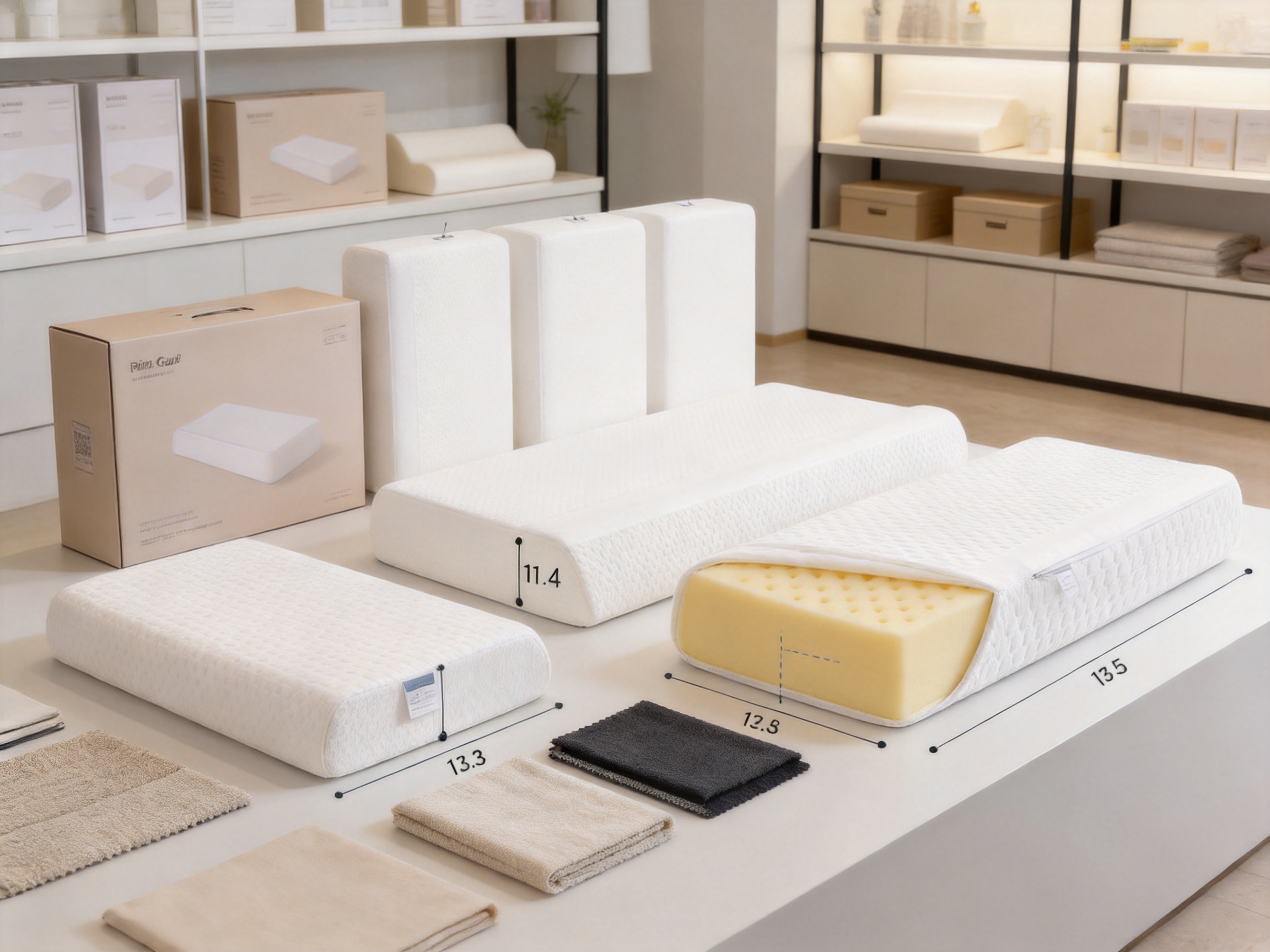
Customization is one of the strongest advantages for commercial buyers. The product supports free adjustment of size, packaging, and fabric, allowing customers to create versions suited to specific markets. A North American retailer may require one set of dimensions, bilingual packaging, and e-commerce-ready cartons. A South American distributor may prioritize different packaging sizes, local labeling, or fabric preferences. A private-label brand may want a unique cover texture or premium retail box.
Custom sizing can improve bed compatibility. Children’s beds differ across countries and product categories. Some are low platform beds, some are standard single beds, and others are custom family sleeping spaces. By adjusting length, width, and height, a brand can create a more precise fit and reduce customer dissatisfaction caused by size mismatch.
Fabric customization can influence both performance and market positioning. A stronger anti-slip texture may be suitable for customers who prioritize stability. A softer touch may be preferred for premium nursery products. Different fabric weights, surface patterns, or colors can help differentiate product lines. Although white is a clean and versatile standard option, customized fabric choices may support seasonal, themed, or brand-specific collections.
Packaging customization is equally important. E-commerce packaging must protect the product during shipping and reduce return risk. Retail packaging must attract attention and communicate benefits quickly. Wholesale packaging must support efficient palletization and storage. Because the product can be sold through Amazon, independent sites, and other platforms, packaging flexibility helps buyers adapt to channel-specific requirements.
Authorized own-brand availability is a major benefit for brand owners. It allows customers to build product lines under their own brand identity while relying on a manufacturer with foam expertise. This is particularly valuable in competitive categories where sellers need differentiation beyond price. A well-designed private-label bed guard can emphasize comfort, certified safety, premium foam, anti-slip stability, and thoughtful design.
Advantages Over Competitors
The anti-slip memory foam bed guard has several clear advantages compared with competing products. First, it replaces hard-contact risk with soft cushioning. A child who rolls into the guard encounters memory foam rather than metal, wood, or plastic. This improves comfort and reduces the unpleasant experience of bumps.
Second, it addresses stability through anti-slip texture. Many foam rails on the market are simply soft blocks. Without proper surface design, they can move easily. The textured fabric surface enhances friction and provides a more dependable user experience. Stability is essential because a bed guard must remain in position to help protect the child.
Third, the product offers a skin-friendly surface and no hard edges. Some bed safety products have sharp corners, exposed frames, or rigid connection points. This bed guard is designed as a soft rectangular foam structure, making it more suitable for direct contact with children.
Fourth, the clean white design provides stronger aesthetic versatility. Parents often want safety products that do not disrupt the look of a carefully designed nursery or bedroom. A minimalist white foam guard fits more easily into the home environment than bright plastic rails or metal frames.
Fifth, the manufacturer’s foam research capability gives the product a stronger technical foundation. Competitors that simply cut generic foam may struggle to provide consistent density, rebound, low odor, and durability. A company that develops many foam materials annually and has long-term industry experience can better control performance.
Sixth, customization makes the product more commercially flexible. Instead of forcing all buyers into one size and one package, the manufacturer can adjust specifications. This helps brands serve different regions, customer groups, and price levels.
Seventh, material safety and certification support premium positioning. For children’s products, buyers are increasingly careful about chemical safety and odor. OEKO-TEX® certification and non-toxic, odorless material claims offer reassurance that generic alternatives may not provide.
Quality Considerations for Buyers
When evaluating a memory foam bed guard, buyers should look beyond appearance. A product image may show a neat white foam strip, but true performance depends on details. Important quality factors include foam density, resilience, odor control, fabric friction, seam quality, compression recovery, dimensional accuracy, packaging integrity, and certification documentation.
Foam density affects how the guard responds under pressure. Too low a density may feel weak and collapse quickly. Too high a hardness may reduce comfort. The goal is a balanced memory foam core that cushions impact while maintaining shape. Buyers should request samples to evaluate hand feel, rebound, and stability.
Fabric friction should be tested on typical bedding surfaces. A good anti-slip surface should resist movement under normal rolling and pushing forces. Buyers selling online should also consider clear user instructions, because correct placement can influence performance. Instructions may include positioning under a fitted sheet or placing along a mattress edge according to the final design.
Odor control is critical in bedding products. Foam should be properly cured and aired during production. Packaging should protect the product without trapping undesirable smells. For children’s products, a clean opening experience can significantly influence customer reviews.
Dimensional accuracy matters for customer satisfaction. If the product is advertised as a certain length and height, it should arrive close to those specifications after decompression or unpacking. Foam products may have some tolerance, especially after compression packaging, so buyers should define acceptable standards with the manufacturer.
Documentation is also important. For retailers and importers, certificates, material declarations, test reports, and labeling information may be needed. A manufacturer experienced in international trade is better positioned to support these requirements.
Responsible Use and Care Guidance
A soft bed guard can improve the sleep environment, but it should be used responsibly. Caregivers should select a size suitable for the mattress and child. The product should be placed securely and checked regularly to ensure it has not shifted. Bedding should be arranged so that the guard remains stable and does not create unsafe gaps. Parents should follow local child safety guidance and consider the child’s age, mobility, and sleeping habits.
The bed guard is especially useful for children who are old enough to sleep in a bed but still benefit from edge awareness and cushioning. For infants or very young babies, caregivers should follow established safe sleep guidelines and avoid inappropriate loose bedding or accessories. Product instructions should clearly define intended use and age suitability according to the final market and regulatory environment.
Cleaning and maintenance depend on the cover construction selected for the final product. If a removable cover is used, washing instructions should be provided. If the cover is not removable, spot cleaning guidance may be needed. Because the product is white, routine cleanliness will be important for appearance. Buyers may request packaging inserts with care instructions to reduce misuse and improve customer satisfaction.
Regular inspection is recommended. Users should check for fabric damage, foam deformation, loss of anti-slip performance, or contamination. If the product becomes damaged or loses its shape, replacement may be necessary. These practical instructions help ensure that the product continues to function as intended.
Company Capability and Global Supply Readiness
Jiangsu Wellcare Household Articles Co., LTD. is located at No. 168 Nenjiang Road, Huaiyin District, Huai'an City, Jiangsu Province, China. The company can be contacted by telephone at +86-517-84998062 or +86-15152354988, and by email at [email protected]. Its location, manufacturing background, and export history support cooperation with international buyers seeking foam-based home and sleep products.
The company’s product categories include boneless sofas, memory foam mattresses, memory foam children’s products, foam pet products, functional pillows, memory foam pillows, and memory foam cushions. This broad product range is important because it reflects production versatility. A buyer sourcing a children’s bed guard may also need related memory foam cushions, pillows, or mattresses. Consolidating supply can simplify communication, sampling, quality control, and logistics.
The company’s experience with cross-border supermarkets, e-commerce channels, and hotel supply suggests readiness for different order models. Cross-border e-commerce requires packaging that can withstand parcel delivery and product descriptions that communicate benefits clearly. Hospitality supply requires consistent comfort, durability, and professional presentation. Retail distribution requires stable production, dependable lead times, and documentation support.
Advanced manufacturing is not only about machinery. It also involves research teams, supplier management, environmental systems, quality awareness, and willingness to customize. The company’s doctor-led R&D team and annual development of more than one hundred foam materials indicate a strong innovation culture. Its sustainability investments show attention to long-term responsibility. Its export history shows practical market experience.
Q&A Section
What is the main purpose of this anti-slip children's bed railing strip?
The product is designed to create a soft protective boundary along the edge of a child’s bed. It helps reduce the risk of falls and cushions bumps when children roll over, move during sleep, or play on the bed.
Why is memory foam used instead of hard plastic or metal?
Memory foam provides soft cushioning and pressure distribution. When a child comes into contact with the guard, the foam compresses gently and reduces harsh impact. This makes it more comfortable than rigid rails and more structured than ordinary pillows.
How does the anti-slip surface improve performance?
The textured surface increases friction between the bed guard and surrounding bedding surfaces. This helps prevent shifting during use and improves stability, which is essential for reliable protection.
Is the product suitable for different bed types?
Yes. It can be used with cribs, children’s beds, widened bed rails, and other suitable sleeping arrangements. Custom sizing is available, allowing buyers to adapt the product to different mattress and bed designs.
What are the reference dimensions?
The reference dimensions are 132 cm in length, 17.8 cm in width, and 11.4 cm in height. The listed pillow core height is 12.7 cm. Actual dimensions may vary depending on customization and production requirements.
What materials are used?
The filling material is memory foam, and the pillow core fabric is polyester fiber. The surface is soft and skin-friendly, and the product information notes safe, non-toxic, odorless materials with OEKO-TEX® certification.
Can the product be customized for private-label brands?
Yes. Custom processing is supported, including size, packaging, and fabric adjustments. Authorized own-brand availability is also supported, making the product suitable for distributors, e-commerce sellers, and private-label home textile brands.
What makes this product different from an ordinary pillow placed at the bed edge?
An ordinary pillow is not designed as a bed guard and may shift easily. This product has a structured rectangular shape, memory foam cushioning, and an anti-slip textured surface, making it more suitable as a stable protective barrier.
Is this product a substitute for caregiver supervision?
No. It should be used as part of a safe sleep environment and selected according to the child’s age, bed type, and sleeping habits. Caregivers should inspect placement regularly and follow relevant child safety guidance.
Which sales channels are suitable for this product?
The product is suitable for Amazon, independent websites, distributors, children’s product retailers, bedding stores, and family-oriented hospitality channels. Its customization options make it adaptable for different markets.
Conclusion
The anti-slip children’s bed railing strip offers a thoughtful solution for families and businesses seeking a softer, safer, and more comfortable bed edge barrier. Its high-density memory foam core cushions impacts and supports shape recovery. Its soft polyester fabric is gentle on children’s skin. Its anti-slip textured surface improves stability, addressing one of the most important practical concerns in foam bed guard design. Its clean white appearance fits modern children’s rooms, while its rectangular profile aligns naturally with mattress edges.
Compared with hard rails, inflatable barriers, ordinary pillows, and low-grade foam alternatives, this product provides a stronger balance of comfort, safety, aesthetics, and commercial flexibility. It is not merely a foam block; it is a purpose-designed memory foam bed guard supported by material expertise, customization capability, and export-oriented manufacturing experience.
Jiangsu Wellcare Household Articles Co., LTD. strengthens the product’s value through its long history in foam research and manufacturing, doctor-led R&D team, broad foam material portfolio, international market experience, and sustainability efforts. For buyers, these strengths translate into more reliable material selection, better process control, adaptable product development, and stronger private-label opportunities.
As parents continue to seek safer and more comfortable sleep environments for children, soft memory foam bed guards are likely to remain an attractive product category. A well-designed anti-slip version offers clear advantages: it protects without harshness, supports without rigidity, and blends safety with comfort. For retailers, distributors, and brands, it represents a practical, customizable, and consumer-friendly addition to the children’s bedding market.
References
American Academy of Pediatrics. Safe Sleep and Child Sleep Environment Guidance.
OEKO-TEX Association. Standard 100 by OEKO-TEX: Testing for Harmful Substances in Textiles.
Polyurethane Foam Association. Flexible Polyurethane Foam: Performance, Comfort, and Durability Principles.
International Sleep Products Association. Bedding Materials and Consumer Product Quality Considerations.
Consumer Product Safety Commission. General Guidance on Children’s Product Safety and Home Hazard Prevention.
Textile Institute. Textile Materials for Bedding and Child-Oriented Home Products.
Product: Anti-slip children's bed railing strips
PREV:Foldable Memory Foam Seat Cushion for Portable Comfort and Everyday Support
NEXT:No next article
NEXT:No next article
Interested in cooperation or have questions?
Related News
WELLCARE was founded in 2003, boasting over a decade of profound and extensive experience.
Quick Links
Product
Media Centre
Contact Information
- [email protected]
- +86-517-84998062
- +86-15152354988
- No. 168 Nenjiang Road, Huaiyin District, Huai'an City, Jiangsu Province, China
Copyright © Jiangsu Wellcare Household Articles Co., LTD. All Rights Reserved.
Custom Memory Gel Mattress Manufacturers
